Browser Tech Limits Spark Fresh Puzzle Solving Twists in Team Based Shooting and Adventure Hybrids on Web Platforms
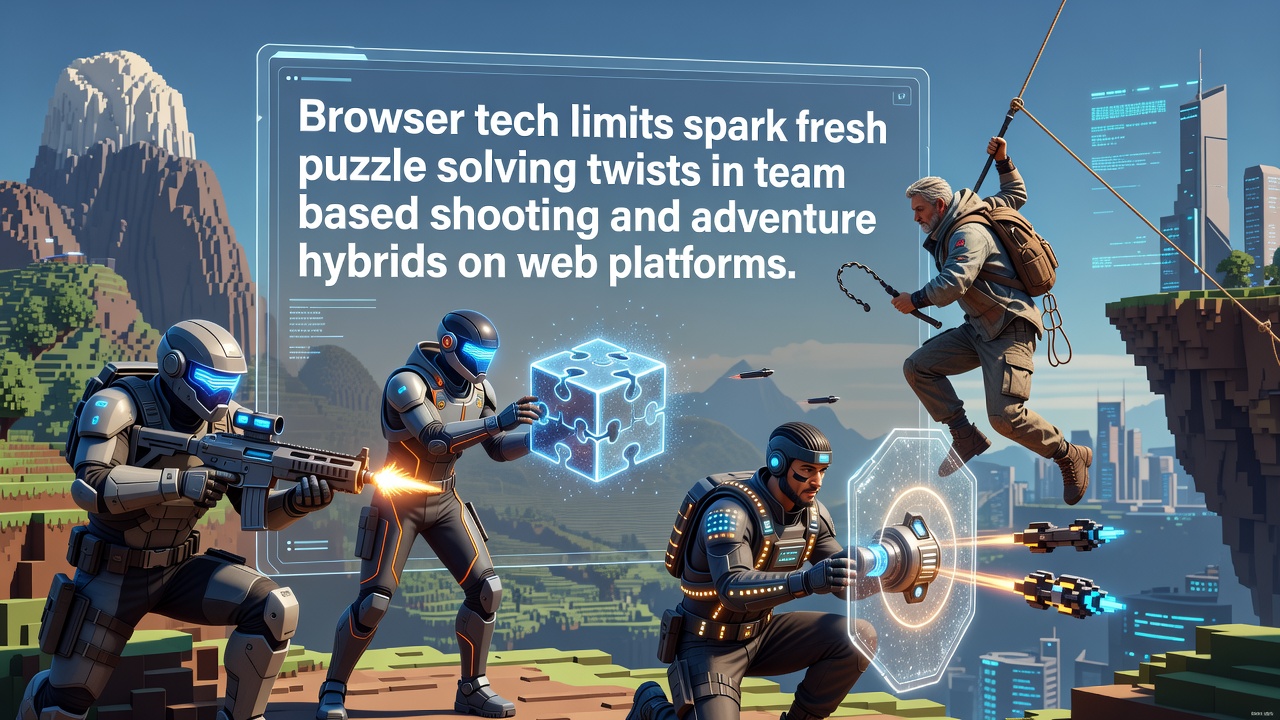
Browser platforms continue to shape multiplayer experiences as hardware constraints push developers toward hybrid designs that blend shooting precision with adventure exploration and layered puzzle mechanics, and this pattern has accelerated through mid-2026 with several major releases arriving in July that highlight these adaptations. Developers working within WebGL and JavaScript environments face limits on real-time rendering, memory allocation, and network synchronization that discourage traditional high-intensity action loops, so they embed puzzle sequences that require coordinated team input while maintaining forward momentum in shooting and navigation sequences.
Technical Boundaries Shape Design Choices
Web browsers restrict access to low-level system resources compared with native clients, which forces teams to optimize for variable device performance across desktop and mobile endpoints, and researchers tracking these patterns note that puzzle integration serves as an efficient way to distribute computational load during intense multiplayer sessions. When a team encounters an environmental obstacle in an adventure-shooter hybrid, players must solve modular logic challenges that unlock firing lanes or reveal hidden paths, thereby converting what might otherwise demand heavy physics calculations into lighter, turn-based coordination tasks that browsers handle reliably. Data from the Digital Games Research Association indicates steady growth in browser-based titles that incorporate such mechanics, with participation metrics rising notably in regions where high-speed internet access varies widely among users.
Puzzle Layers Enhance Team Coordination
Shooting sequences in these hybrids often pause for brief puzzle interludes where one player manipulates interactive objects while teammates provide cover fire or gather resources, and this rhythm emerged more clearly in July 2026 updates that refined synchronization protocols to reduce latency during shared puzzle states. Observers note that adventure elements benefit similarly because exploration phases can incorporate environmental puzzles that reward collective observation rather than individual reflexes, allowing slower-paced discovery to coexist with faster combat exchanges without overwhelming browser rendering pipelines. Studies conducted at the University of Sydney have examined how these design shifts affect group decision timing, revealing that teams adapt by assigning specialized roles during puzzle segments that carry over into subsequent shooting phases.
Real-World Releases Illustrate the Trend
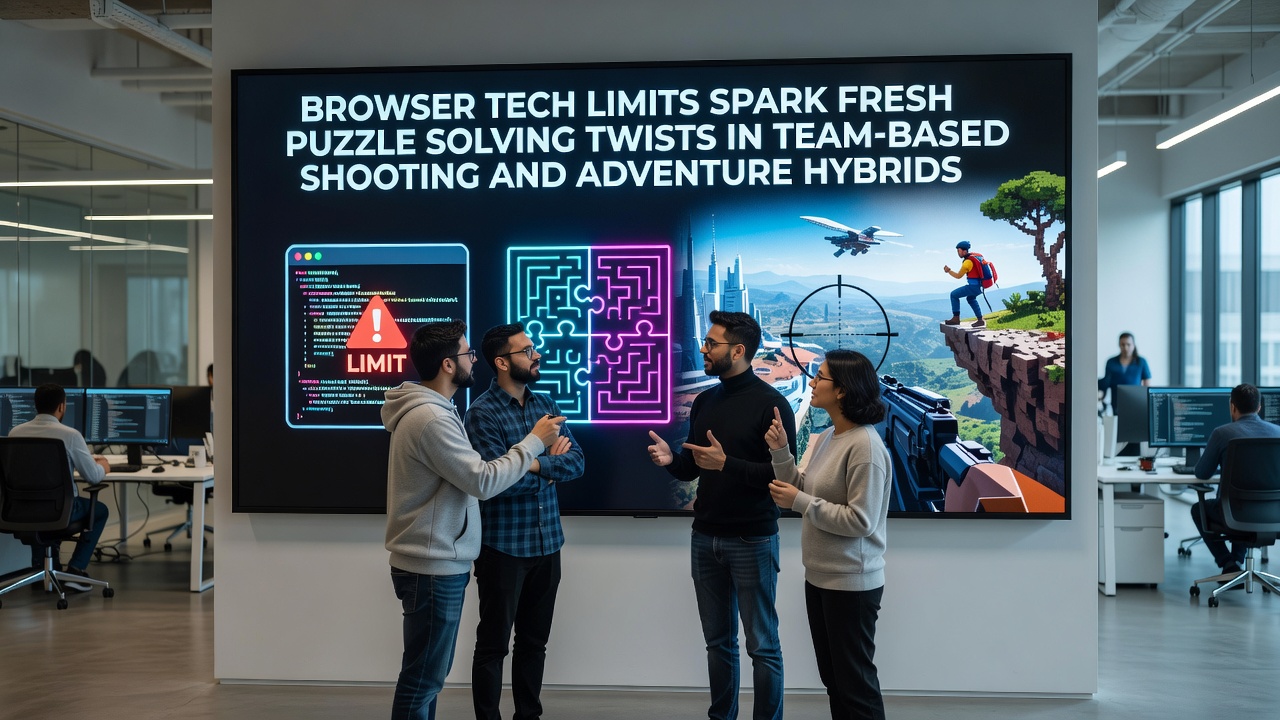
One July 2026 title released on a major web portal introduced a desert outpost scenario where squads must decode rotating cipher panels to activate automated turrets before advancing through canyon corridors, and similar mechanics appear across competing platforms that target the same audience. These implementations keep core shooting loops intact while inserting puzzle gates that scale with team size, ensuring four-player groups face more complex sequences than solo or duo configurations. Performance benchmarks shared by platform operators show reduced crash rates when puzzle complexity replaces continuous high-frame-rate demands, which supports broader device compatibility.
Broader Implications for Web Gaming
Industry reports compiled by the Interactive Software Federation of Europe document how browser constraints have encouraged cross-genre experimentation rather than direct emulation of console experiences, and this approach sustains player retention through varied cognitive demands within single sessions. Puzzle twists therefore function as both technical workarounds and engagement tools that encourage repeated team play, because successful coordination yields tangible advantages in later shooting and exploration segments. Metrics collected through July 2026 indicate sustained session lengths in hybrids that balance these elements compared with pure action formats constrained by the same browser limits.
Conclusion
Browser technology boundaries continue to drive distinctive design patterns in team-based shooting and adventure hybrids by channeling creative energy into puzzle mechanics that complement rather than interrupt core gameplay loops. Releases from July 2026 demonstrate how developers translate these limits into structured opportunities for collective problem solving, and ongoing platform improvements suggest the trend will persist as web standards evolve. The result is a growing catalog of experiences where technical necessity and gameplay innovation reinforce each other across diverse player groups.