Content Expansion Effects on Group Interactions Within Virtual Play Environments
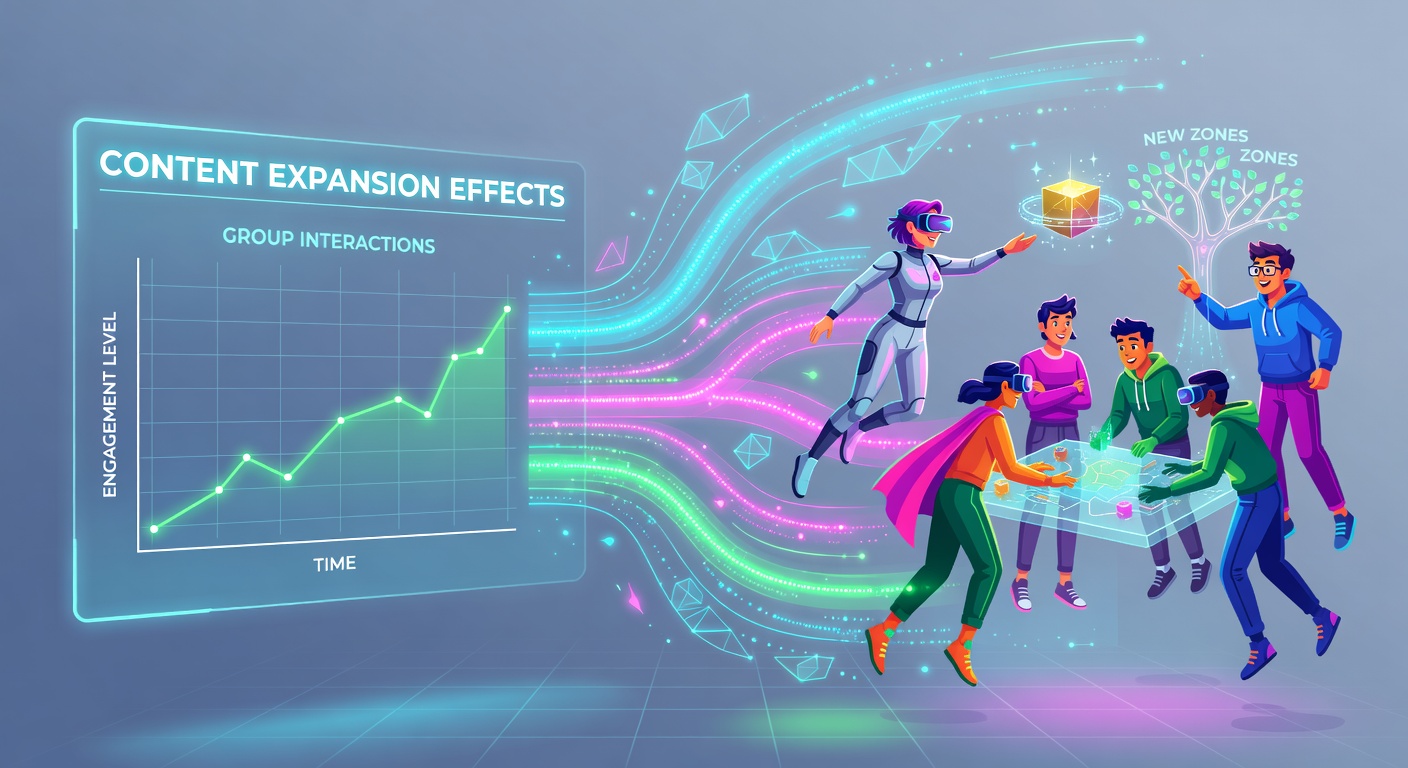 Content expansions introduce new maps, mechanics, and narrative layers into virtual play environments, and researchers track how these additions reshape group dynamics among participants. Data from major platforms shows increased session lengths when fresh content drops, while interaction logs reveal shifts in communication frequency and collaboration styles. Studies conducted through 2025 indicate that groups often reorganize around novel objectives, creating fresh hierarchies based on mastery of added features rather than prior experience alone. Observers note that communication patterns evolve quickly after launch, with voice channels and text chats filling with strategy discussions about unexplored areas or resource nodes. According to reports from the Entertainment Software Association, multiplayer titles that release substantial expansions see measurable rises in coordinated play sessions across age groups. These patterns hold steady into early 2026, where seasonal updates continue to drive similar engagement spikes.
Shifts in Collaboration and Role Distribution
New mechanics frequently demand specialized roles that did not exist before an expansion, prompting players to experiment with support functions or leadership positions they previously avoided. Research from academic groups at institutions across North America and Europe demonstrates that such role fluidity strengthens group cohesion when teams adapt successfully, yet it can also produce temporary friction until skills stabilize. Platform telemetry collected through May 2026 confirms higher rates of cross-role mentoring within established guilds and clans following major content releases.
Competition for limited new resources sometimes intensifies existing rivalries, while shared discovery moments foster alliances that cross faction lines. Analysts examining Australian gaming data find that environments with persistent progression systems exhibit the strongest long-term bonding effects after expansions, because repeated group efforts to complete large-scale objectives build cumulative trust metrics.
Communication Volume and Quality Changes
Text and voice interaction metrics climb sharply in the weeks after an expansion launches, with studies indicating a 30 to 40 percent rise in message exchanges during peak hours. Those messages transition from casual banter toward task-oriented exchanges focused on navigation, timing, and resource allocation. European Union digital culture reports highlight how structured in-game events tied to expansions encourage more inclusive language use, reducing exclusionary slang within mixed-experience groups.
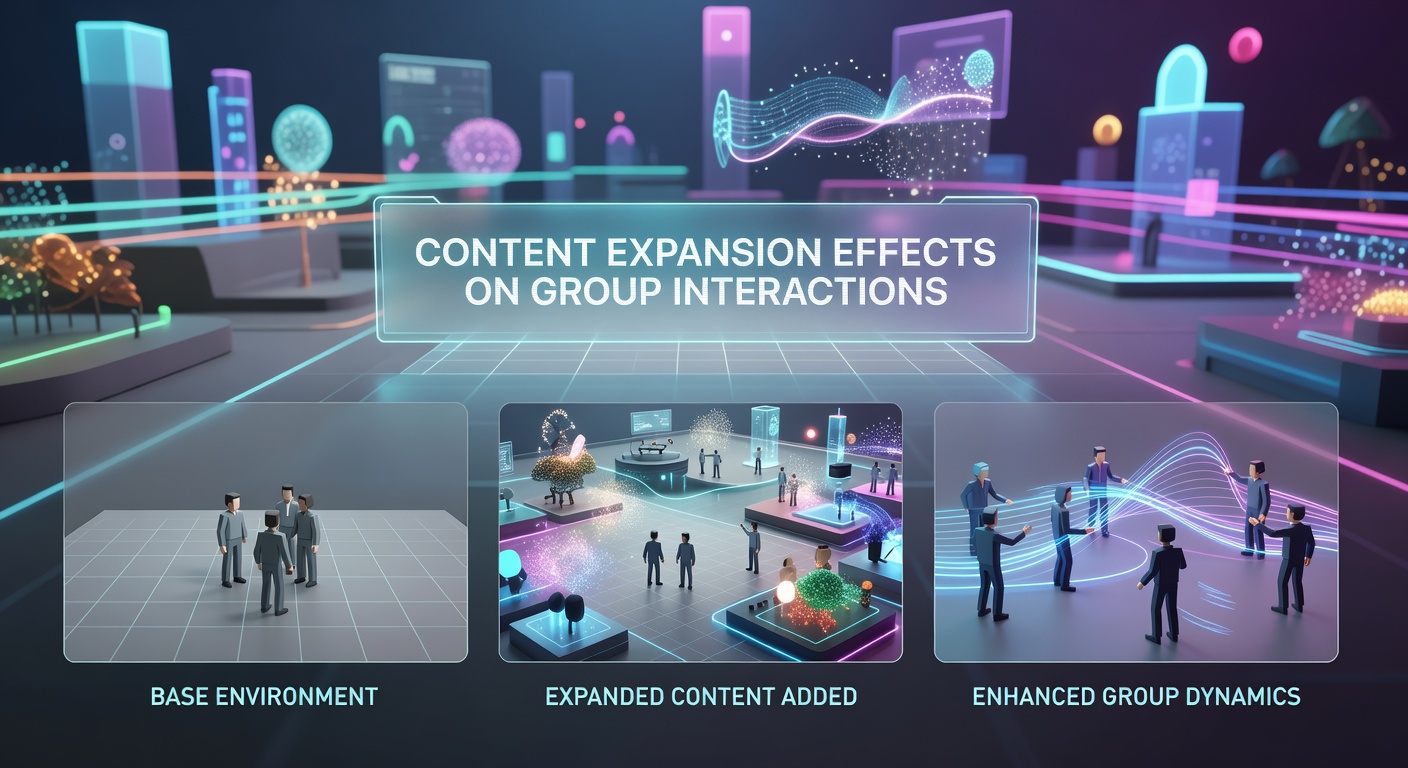
Voice analysis from select titles reveals clearer turn-taking and fewer interruptions once participants settle into new content rhythms. Researchers attribute this partly to shared learning curves that equalize knowledge gaps temporarily, allowing quieter members to contribute insights about undiscovered elements. Data collected through spring 2026 continues to support these observations across multiple virtual environments.
Long-Term Retention and Social Network Effects
Retention statistics collected by industry trackers show that groups participating in expansion-related activities maintain higher membership stability over six-month periods compared with groups that skip new content. Social network mapping conducted by university teams illustrates denser connection graphs forming around shared completion of expansion milestones, with central players acting as knowledge hubs for newer additions.
Platform operators document reduced churn rates among players who join organized events tied to expansions, because recurring group commitments create accountability structures. Canadian research initiatives tracking virtual community health note parallel increases in off-platform communication channels such as Discord servers and forums once expansions introduce complex endgame systems.
Conflict Patterns and Resolution Mechanisms
Disagreements over loot distribution or strategy choices surface more frequently during the first month of an expansion, yet built-in moderation tools and community guidelines mitigate escalation in most cases. Observers tracking interaction logs find that established groups develop informal arbitration practices that resolve disputes faster than in base-game periods. Figures released by regulatory bodies in multiple regions indicate stable or declining toxicity reports when developers pair expansions with clear communication policies and reward structures for cooperative behavior.
Conclusion
Content expansions continue to serve as catalysts for evolving group interactions inside virtual play environments through 2026. Platform data, academic studies, and industry reports collectively demonstrate measurable changes in collaboration frequency, communication depth, role flexibility, and network density following major releases. These effects persist across different game genres and player demographics, underscoring the structural influence of added content on social architecture within digital spaces. Ongoing monitoring by research organizations will likely refine understanding of these dynamics as new expansions roll out in coming seasons.