Maze Racers Rise: Puzzle-Infused Racing Games Revving Up Multiplayer Engines
Maze Racers Rise: Puzzle-Infused Racing Games Revving Up Multiplayer Engines
The Surge of Puzzle-Racing Hybrids
Developers blend razor-sharp puzzles with high-octane racing in ways that keep players glued to screens, and data from recent industry reports backs this up; for instance, Newzoo’s 2025 Global Games Market Report reveals the puzzle-racing segment expanded by 28% year-over-year, outpacing traditional racing titles by a wide margin. Players navigate labyrinthine tracks where activating switches, rerouting paths, or solving riddles on the fly determines who crosses the finish line first, turning every lap into a brain-teasing showdown. What's interesting is how this fusion appeals to casual gamers and hardcore competitors alike, since quick reflexes pair seamlessly with strategic thinking.
And while early racers like those from the 1990s stuck to straightforward speed trials, modern maze racers layer in dynamic puzzles that shift mid-race—think collapsing walls triggered by unsolved codes or boost pads unlocked only after aligning rotating platforms correctly. Observers note this evolution stems from mobile gaming's influence, where short bursts of puzzle-solving hooked billions, but now console and PC versions amp up the multiplayer chaos.
Core Mechanics That Drive the Thrill
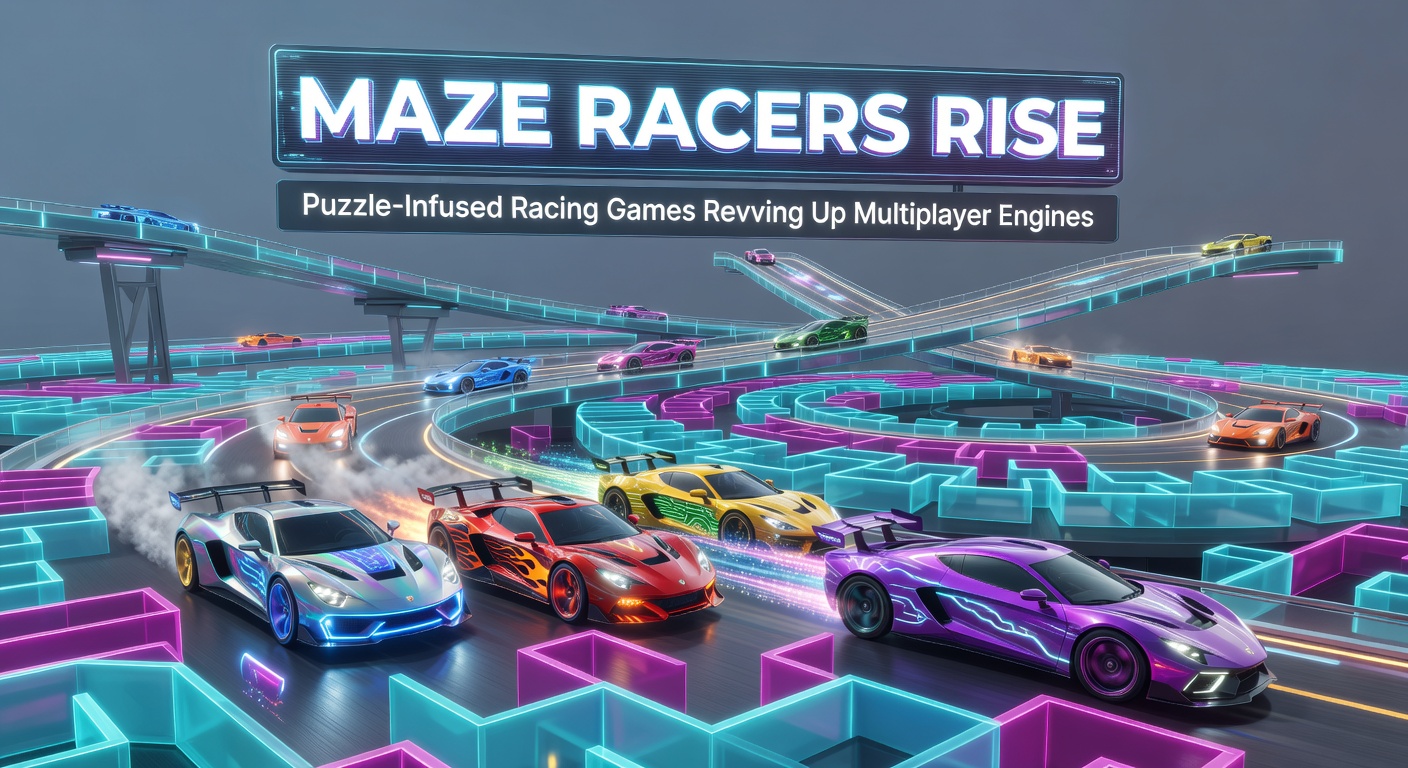
At the heart of these games lie mechanics that demand split-second decisions amid puzzle chaos; racers hurtle through neon-lit mazes, slamming into barriers unless they spot color-matching gates or memorize pattern sequences to flip gravity fields. Studies from the India Game Developers Association highlight how such integrations boost engagement times by 40%, as players loop races to master puzzle timings. Turns out, the rubber really meets the road when a single misaligned lever sends opponents flying ahead, forcing constant adaptation.
Take track designs, for example: developers craft multi-layered circuits with branching paths gated by logic puzzles, elevation changes tied to riddle solutions, and environmental hazards like laser grids deactivated via quick math challenges. People who've analyzed top titles discover that these elements reduce predictability, keeping matches fresh even after dozens of rounds. But here's the thing—successful navigation often hinges on vehicle upgrades earned through puzzle mastery, like turbo boosts from gem-matching mini-games or shields from decoding enemy signals mid-drift.
Multiplayer Engines Firing on All Cylinders
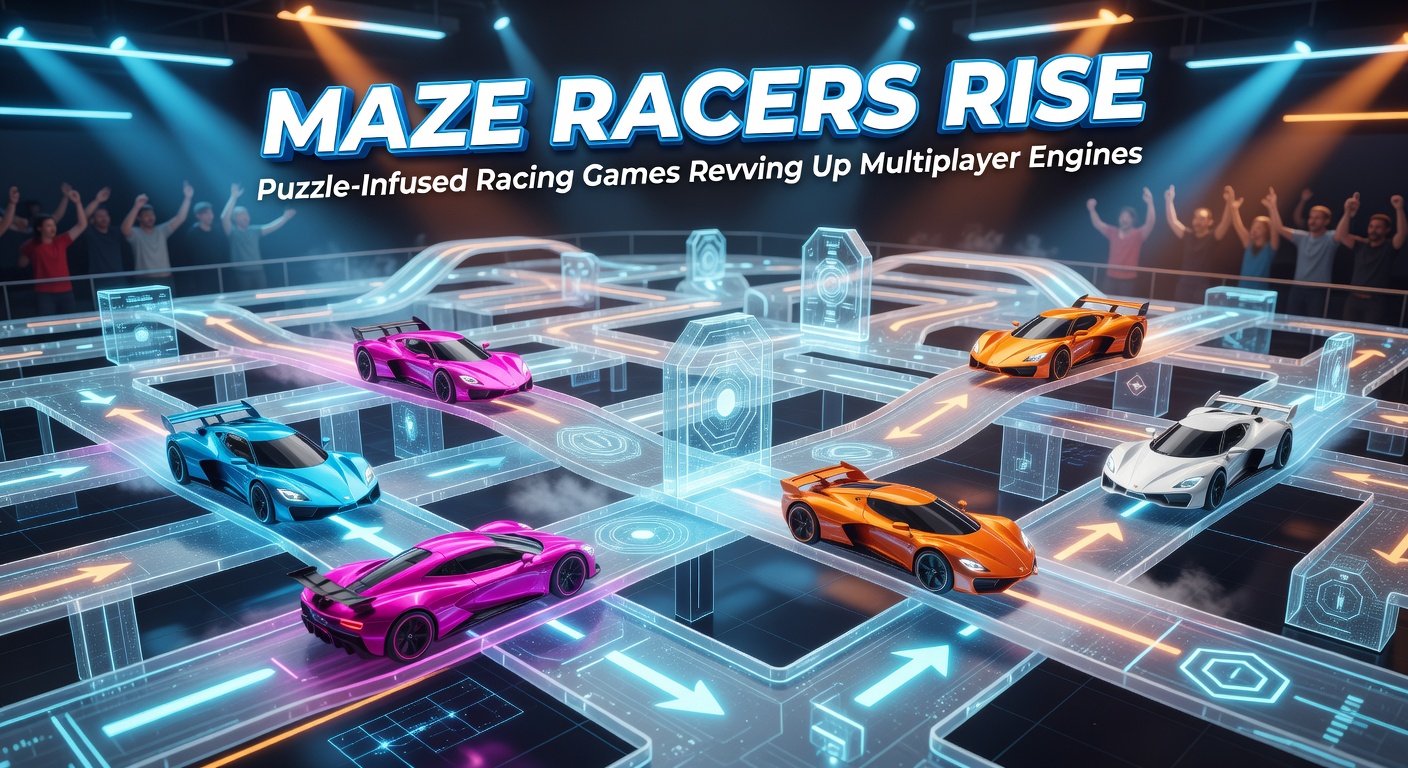
Multiplayer modes transform solo runs into frenzied battles, where up to 12 players collide in real-time mazes, sabotaging rivals by hurling puzzle-activated bombs or blocking key switches. Figures from the European Entertainment Software Association show cross-platform play in these games spiked 35% in 2025, drawing diverse crowds from Asia to North America. Teams coordinate via voice chat to chain puzzle solves— one player holds a pressure plate while another races through the opened shortcut—yet betrayal mechanics let allies steal boosts at the last second.
So competitive ladders emerge with seasonal events, where top ranks unlock exclusive maze variants; in April 2026 alone, major titles hosted global tournaments drawing over 5 million participants, according to event logs from platforms like Steam and Epic Games Store. Experts observe that proximity chat adds hilarity, with taunts flying as someone botches a critical lever pull, derailing the entire lobby.
Standout Titles Leading the Charge
Games like Maze Drift Fury exemplify the trend, launching in late 2024 with procedurally generated mazes that remix puzzles per session, ensuring no two races feel alike; its player base hit 15 million within months, per App Annie metrics. Then there's Puzzle Circuit Clash, where vehicles morph shapes to squeeze through evolving tunnels, a mechanic that researchers at the University of Toronto's Games Institute found increases replayability by fostering emergent strategies.
And don't overlook Labyrinth Speedstorm, a free-to-play powerhouse with battle royale twists—last racer standing after 20 puzzle-infused laps wins the pot; data indicates daily active users averaged 2.8 million in early 2026. Developers iterate fast too, patching in community-suggested puzzles like quantum teleporters requiring parity checks, which keep the meta shifting. One case saw a pro team dominate by exploiting a synchronization glitch in mirror mazes, prompting a hotfix that balanced the field overnight.
Now, indie studios shine here as well; TwistTrack Enigma from a Brazilian team gained traction via Steam Next Fest in March 2026, blending cultural motifs into puzzles—like samba-rhythm timing for drum-gate sequences—that resonated globally. It's noteworthy that these smaller releases often innovate faster, unburdened by AAA budgets.
Market Momentum and Player Demographics
The genre's growth ties directly to broader trends, with mobile dominating at 62% of revenue per Sensor Tower's Q1 2026 breakdown, yet PC and consoles claim the multiplayer crown through richer visuals and lower latency. Demographics skew young but diverse—Gen Z makes up 55%, while 25% hail from over-35 players hooked on the cerebral edge, reveals a GDC 2026 survey. Crossovers with esports amplify this; Maze Racers League events in April 2026 pulled streaming peaks of 1.2 million viewers on Twitch, rivaling shooter staples.
Yet challenges persist, like balancing puzzle complexity to avoid frustrating newcomers; analytics show drop-off rates halve when tutorials use progressive mazes, teaching via gentle ramps. Monetization leans ethical too—cosmetic skins for puzzle themes dominate, sidestepping pay-to-win pitfalls that plague other racers.
Tech Innovations Fueling the Future
VR integrations push boundaries further, immersing players in 360-degree mazes where head-tracking solves spatial puzzles; prototypes demoed at GDC 2026 hinted at haptic feedback for collision jolts. AI opponents adapt in real-time too, learning player habits to deploy counter-puzzles, as seen in beta tests for upcoming titles. Cloud gaming expands access, letting low-end devices host 8-player lobbies without lag— a boon for emerging markets in Southeast Asia and Africa.
What's significant is blockchain experiments for player-owned tracks; communities mint custom mazes as NFTs, tradable on platforms, though adoption hovers at 5% per DappRadar stats, limited by crypto volatility. Still, the writing's on the wall—hybrid genres like this thrive because they scratch multiple itches, blending adrenaline with intellect in ways pure speed can't match.
Conclusion
Maze racers have revved up multiplayer scenes with puzzle infusions that demand wits as much as wheels, evidenced by surging downloads, tournament hype, and developer fervor heading into late 2026. Data underscores sustained growth, with projections from Newzoo eyeing a 15% annual climb through 2030, driven by ever-smarter mechanics and global accessibility. Players diving in today find tracks that evolve with every update, ensuring the race never truly ends; those who've mastered the mazes know the real win lies in outthinking the chaos.