Seasonal Content Releases in Strategy and Shooter Games Transform Team Coordination Dynamics on Digital Entertainment Platforms
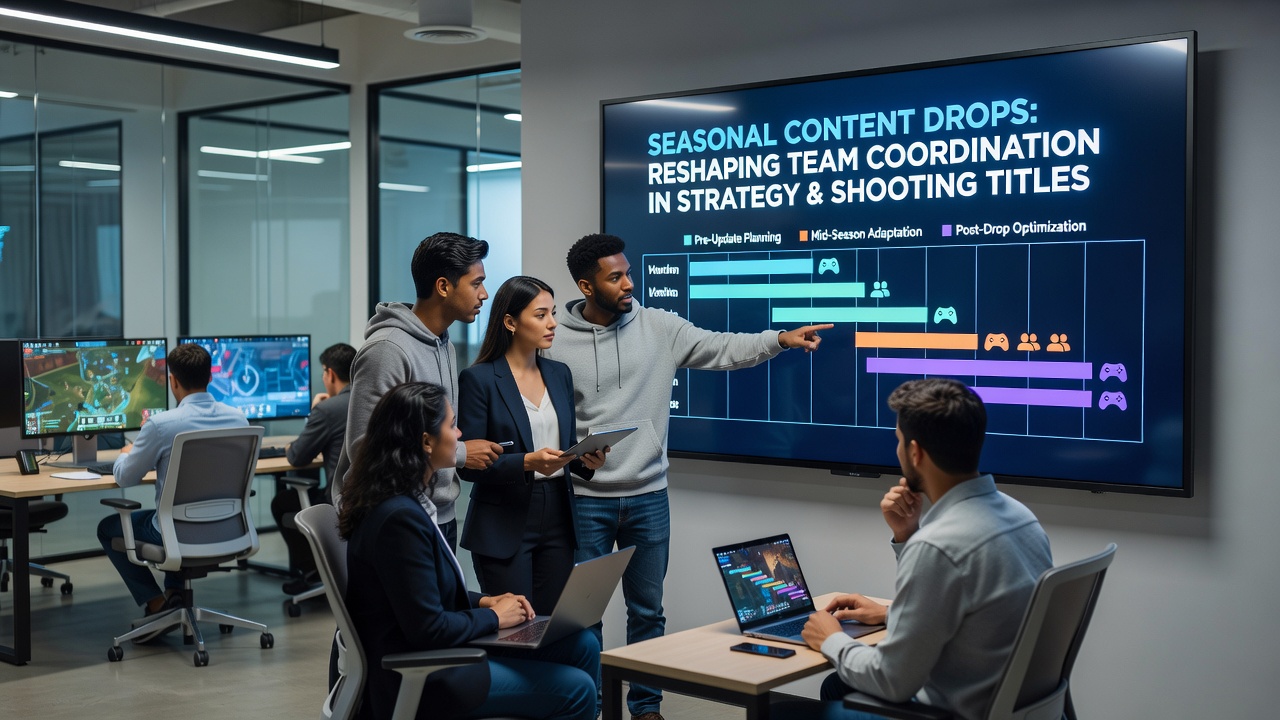
Seasonal content drops introduce new maps, objectives, and mechanics into strategy and shooting titles at regular intervals, and these updates prompt measurable adjustments in how players synchronize actions during group sessions on digital entertainment sites. Research from industry monitoring groups shows that titles receiving quarterly expansions see participation spikes of 25 to 40 percent in team-based modes within the first two weeks of release, while coordination patterns shift toward more structured role assignments and timed communication protocols.
Mechanics Introduced by Seasonal Updates
Developers roll out battle passes, limited-time objectives, and balance patches that alter unit capabilities or weapon behaviors, and these changes require teams to recalibrate their approaches rather than rely on established routines. Data collected across major platforms indicates that strategy games incorporating new faction abilities during seasonal events lead participants to adopt longer pre-session planning phases, often extending setup discussions by an average of eight minutes compared with standard matchmaking periods. Shooting titles, meanwhile, integrate fresh environmental hazards or scoring multipliers that encourage players to designate specific roles for area control and flanking maneuvers during live matches.
Observers tracking session logs note that teams encountering these mechanics for the first time frequently experiment with voice-channel pings and shared overlays to mark updated spawn points or resource nodes. Such experimentation occurs most visibly in the opening week of each drop, after which habit stabilization sets in as players internalize the revised spatial layouts and objective timers.
Coordination Adjustments in Strategy Titles
Strategy games that layer seasonal objectives onto existing base-building systems see participants redistribute responsibilities more explicitly among team members, and this redistribution appears in recorded replays as increased use of synchronized build orders and resource-sharing macros. Figures released by the Entertainment Software Association reveal that multiplayer strategy sessions involving seasonal content maintain an average team size of four to six players, yet the frequency of in-game text commands rises by 30 percent during the first month of each cycle. Those who have analyzed match histories find that successful groups establish rotating leadership patterns, where one member calls primary targets while another monitors supply lines updated by the seasonal patch.
Cross-platform compatibility features introduced alongside these drops further influence coordination by allowing mixed-device teams to maintain consistent timing on ability activations, and session analytics show reduced latency complaints once players adapt their callouts to account for varying input methods. Researchers studying European server clusters have documented similar patterns, noting that groups using third-party planning tools experience faster adaptation rates when seasonal mechanics emphasize defensive positioning over aggressive expansion.
Shifts Observed in Shooting Game Sessions
Shooting titles that add seasonal modes or weapon variants prompt teams to refine positioning and engagement distances, and telemetry data from North American servers indicates that squad wipe rates drop after the second week as players internalize new sightlines and movement speeds. Teams often incorporate brief mid-match huddles to assign cover responsibilities around newly introduced terrain features, while individual aim adjustments integrate into collective flanking sequences rather than isolated duels.
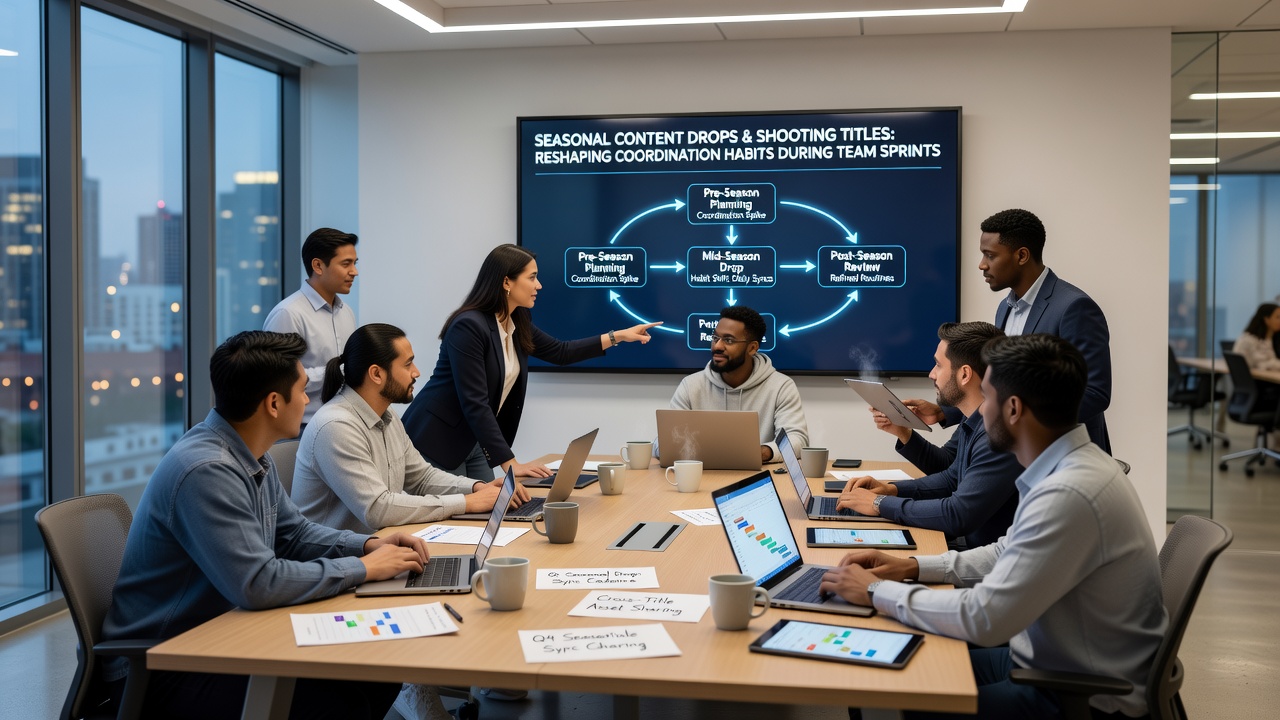
What's notable across aggregated reports is the rise in shared loadout planning prior to queue entry, with participants aligning secondary weapons to counter seasonal enemy types. Australian industry surveys conducted in early 2026 documented that such pre-session alignment correlates with higher objective completion percentages in limited-time events, particularly when teams designate one member to track event-specific scoring multipliers.
Platform-Level Patterns and Habit Formation
Digital entertainment sites hosting multiple titles record parallel shifts in session duration and communication density following simultaneous seasonal releases, and these patterns emerge most clearly when overlapping events across strategy and shooter genres draw overlapping player bases. Coordination habits formed in one title sometimes transfer to another when core mechanics such as resource timers or area denial overlap, although the transfer rate depends on how closely the seasonal features align. Session logs from June 2026 show that platforms offering unified voice tools across genres experience quicker habit consolidation, as players carry over established ping systems and role shorthand without needing to renegotiate protocols.
Longitudinal studies from Canadian research institutions tracking the same cohorts across multiple seasons indicate that groups maintaining consistent membership demonstrate more stable coordination improvements than transient matchmaking parties, with the former showing 15 percent fewer miscommunications after three consecutive seasonal cycles. These findings align with broader observations that repeated exposure to evolving mechanics strengthens collective pattern recognition rather than individual skill alone.
Conclusion
Seasonal content drops continue to drive iterative changes in team coordination across strategy and shooting titles on digital platforms, and available data points to structured planning, role specialization, and cross-session adaptation as recurring responses. Industry reports and platform telemetry together illustrate how these updates reshape communication volume and timing without requiring fundamental alterations to underlying game systems. As developers maintain quarterly schedules, the resulting habit adjustments appear likely to persist as standard features of team sessions rather than temporary reactions.