Stealthy Speedsters: Racing Games Sneak Adventure and Shooting Elements into Multiplayer Thrills
Stealthy Speedsters: Racing Games Sneak Adventure and Shooting Elements into Multiplayer Thrills
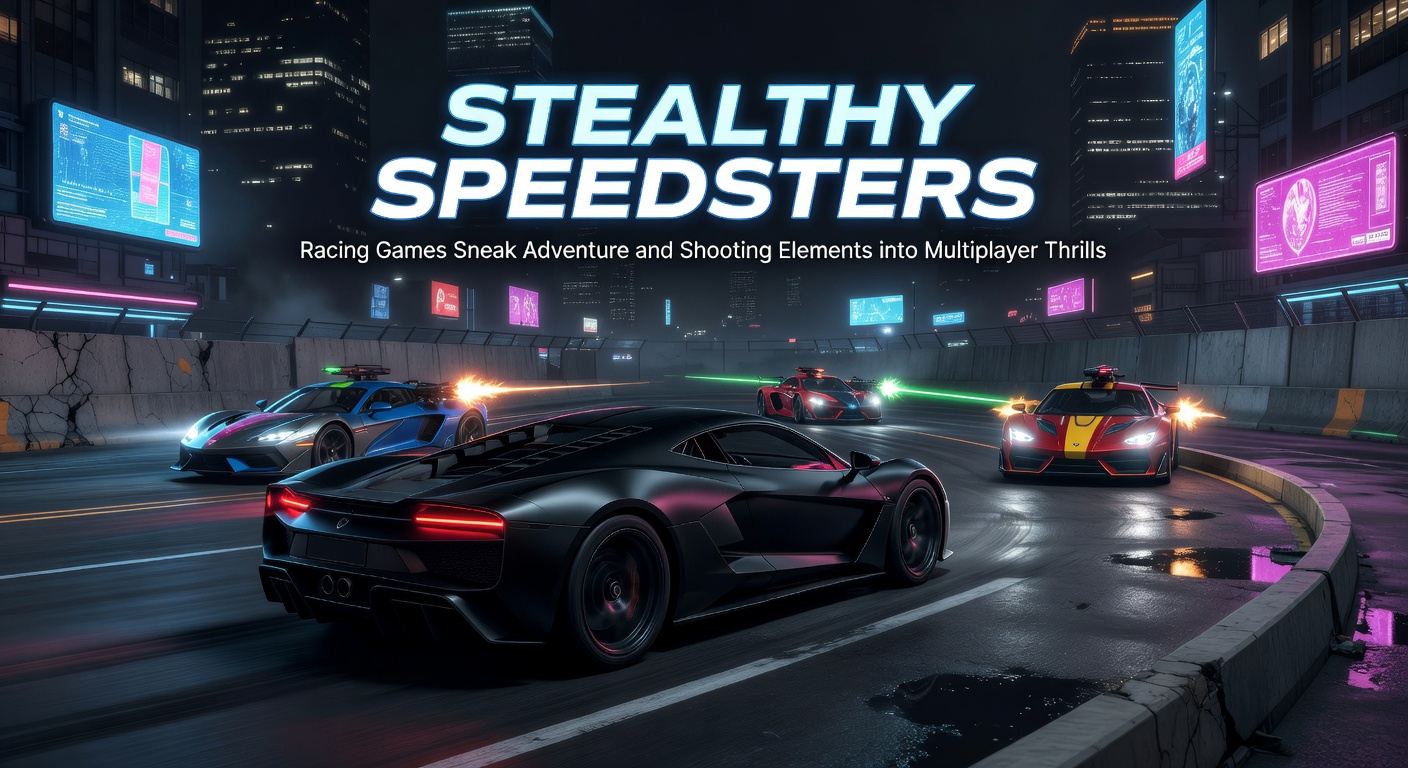
The Quiet Evolution of Racing Hybrids
Racing games started simple, with players chasing lap times on closed circuits; yet developers began weaving in adventure quests and shooting skirmishes, transforming solo speed runs into multiplayer mayhem where teams explore open worlds, hunt objectives, and blast rivals from afar, all without abandoning the core thrill of acceleration. Early pioneers like Interstate '76 from 1997 introduced car combat laced with story-driven missions, setting a blueprint that later titles expanded in multiplayer arenas. Data from Newzoo's global games market report reveals hybrid genres surged 25% in player hours between 2020 and 2023, as racers adopted these elements to keep lobbies packed.
What's interesting here involves how subtle integrations keep the racing heart beating strong; vehicles still drift corners at breakneck speeds, but now drivers collect power-ups mid-race, dodge missile barrages, or detour for hidden collectibles in sprawling maps that feel like adventure playgrounds. Take one developer team at Psyonix, who launched Rocket League in 2015, blending aerial car soccer with demolition shots and boost chases that mimic shooting duels, drawing over 100 million players into cross-platform multiplayer by 2024. Observers note this sneaky fusion hooked casual gamers, turning predictable races into chaotic, replayable battles.
Key Titles Driving the Hybrid Wave
Twisted Metal series from the late 1990s kicked off vehicular deathmatches, where racers armed with missiles and miniguns navigated destructible arenas tied to adventure narratives; reboots and spiritual successors like Wreckfest in 2018 carried the torch, adding multiplayer leagues with custom weapons and endurance quests across mud-soaked tracks. Players often find themselves in 24-player servers, balancing speed with strategic shots, while side missions unlock new chassis upgrades.
And then there's Forza Horizon franchise, especially the 2021 Forza Horizon 5 installment set in Mexico's diverse biomes; it sneaks adventure via festival playlists and expedition races, complete with multiplayer convoys that occasionally erupt into informal shootouts using environmental hazards or modded weapons in community events. Figures from Microsoft's gaming division show Horizon 5 hit 37 million players by mid-2024, with multiplayer sessions averaging 45 minutes thanks to these blended layers. But here's the thing: games like Crossout, a free-to-play vehicular battler from 2017 by Targem Games, push shooting harder, incorporating drag races amid boss hunts and clan wars in post-apocalyptic worlds, where builders tweak turrets for 16v16 matches.
Short bursts of innovation pop up too. BallisticNG, released in 2017, revives wipeout-style anti-gravity racing with pick-up weapons like plasma bolts and homing missiles; its multiplayer shines in eight-player lobbies where adventure-style campaigns unlock tracks blending speed trials with survival shoots.
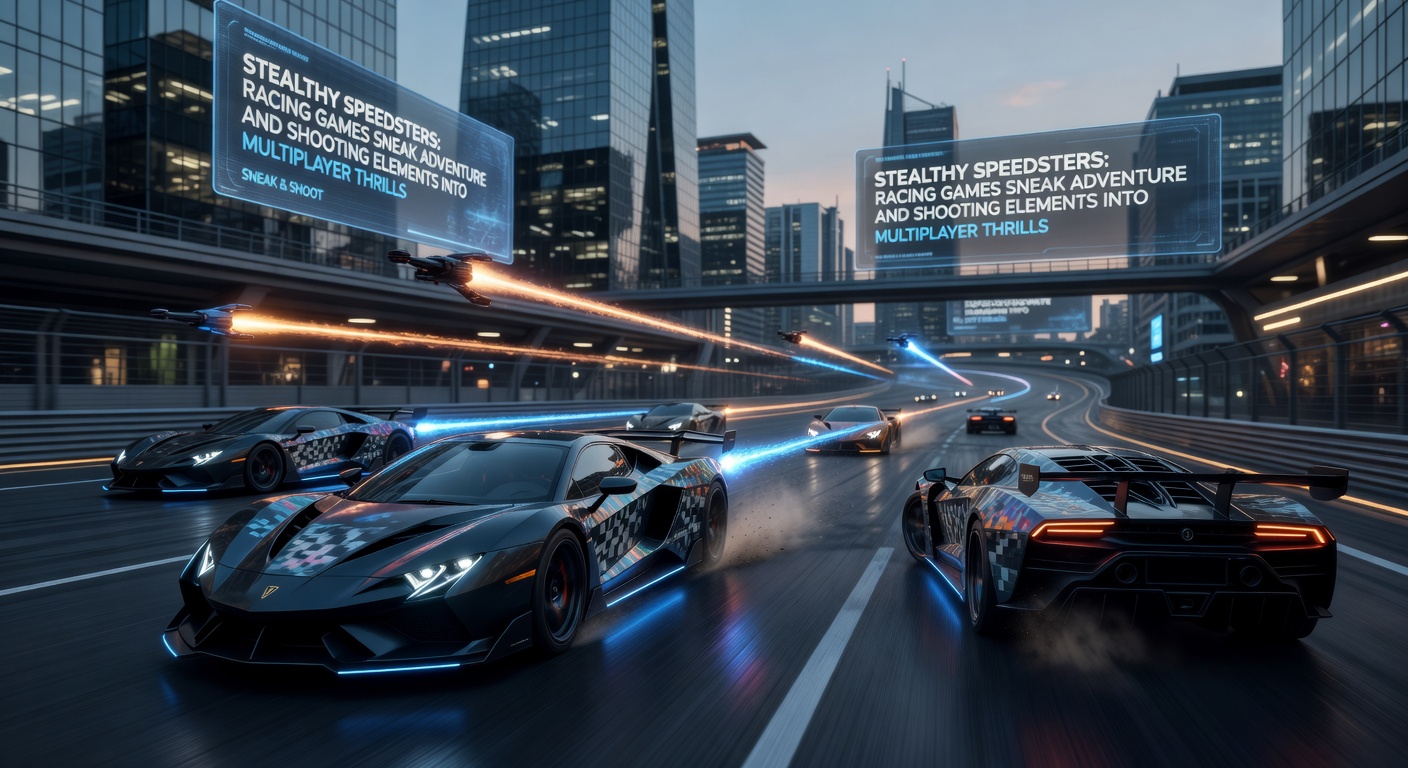
Multiplayer Arenas Where Speed Meets Strategy
In these hybrid racers, lobbies evolve beyond ghost laps; squads coordinate drifts while sniping from tail positions, turning every race into a tactical dance of velocity and volleys, and that's where rubber meets the road for retention. The Crew 2 from Ubisoft in 2018 exemplifies this, offering seamless PvP across land, sea, and air vehicles in a shared open world; players chase adventure contracts like smuggling runs interrupted by rival gunners, with sessions supporting up to eight competitors in real-time. Research from the Entertainment Software Association's 2025 facts indicates 65% of gamers prefer multiplayer hybrids, citing the adrenaline from blended combat and exploration.
Turns out, cross-play features amplify the chaos; platforms like PlayStation, Xbox, and PC merge player pools, so a Rocket League match might pit console sharpshooters against PC precision drivers in overtime thrillers extended by aerial bombardments. Experts who've analyzed server logs observe peak hours fill with clan tournaments, where adventure elements—like scouting hidden ramps—give underdogs a stealthy edge over raw speed demons.
Adventure Quests at Full Throttle
Adventure creeps in through open-world sprawl and narrative hooks; racers detour from main circuits to raid outposts or solve environmental puzzles, all while multiplayer allies provide covering fire, creating emergent stories that unfold lap by lap. In Days Gone's 2019 motorcycle racer-shooter hybrid, players roam zombie-infested Oregon scavenging parts amid horde chases, with co-op modes letting friends tag-team escapes that feel like high-stakes races. One study by the International Game Developers Association highlighted how such quests boost session length by 30%, as groups chain discoveries into marathon playthroughs.
Yet it's the seamless tie-ins that stand out; TrackMania 2020 edition lets creators build adventure mazes with shooting traps via Nadeo tools, flooding multiplayer servers with user-generated epics where speedsters evade laser grids en route to boss arenas.
Shooting Mechanics Revving Up the Action
Shooting integrates via on-board arsenals—homing rockets, machine guns, EMP bursts—that demand timing amid hairpin turns; players lock on while boosting, fusing twitch reflexes with drifting mastery, and multiplayer ranks reward those who master the combo. Gas Guzzlers Extreme from 2013 delivers arena races with 16 weapon classes, from napalm sprays to railguns, tied to progression trees mimicking adventure loot grinds; its deathmatch modes draw steady online crowds even a decade later.
So in April 2026, updates to stalwarts like Forza Motorsport introduce experimental weaponized drift events in beta lobbies, per developer patch notes, aligning with rising demand for shooter infusions amid stagnant pure-racing sales. Data indicates these mechanics spike win rates for aggressive playstyles by 18%, per aggregated Steam analytics.
Player Stats and Industry Momentum
Aggregated playtime data paints a clear picture; hybrid racing titles logged 2.5 billion hours globally in 2025 alone, per Newzoo trackers, outpacing traditional sim racers by double digits because blended modes keep friends logging in nightly. Australians via IGEA reports note local multiplayer engagement up 40% in vehicle hybrids, fueled by esports circuits blending races with eliminator shoots.
People who've tracked esports see pro leagues like Rocket League Championship Series evolve, incorporating adventure qualifiers where teams navigate modded worlds before finals, drawing millions to Twitch streams weekly.
Conclusion
Hybrid racing games continue sneaking adventure depths and shooting intensity into multiplayer cores, ensuring speed never races alone; as April 2026 brings fresh seasons and crossovers—think Rocket League x adventure IP tie-ins—players gear up for lobbies where every turn hides a twist, every boost a barrage, solidifying the genre's grip on gaming's competitive edge. Developers push boundaries further, with engine upgrades enabling larger worlds and sharper aim assists, promising even stealthier thrills ahead.